
Data-driven decision-making has become a powerful force in modern education, and data analytics in education is playing a critical role in helping institutions improve academic outcomes. Schools, colleges, and universities now collect vast amounts of information about attendance, assessments, engagement, and learning behaviors. By using learning analytics and advanced data tools, educators can analyze patterns that reveal how students learn, where they struggle, and what interventions can lead to better academic success. Platforms such as <a href="https://www.hiquestedge.com">www.hiquestedge.com</a> highlight how institutions can leverage modern analytics solutions to create smarter learning environments and improve educational effectiveness.
One of the most important benefits of student performance improvement through data analytics is the ability to identify learning gaps early. Instead of waiting for final exam results, educators can monitor real-time performance indicators such as quiz scores, participation levels, and assignment submissions. With the help of academic data insights, teachers can detect patterns that indicate potential difficulties and intervene quickly with targeted support. This proactive approach ensures that struggling students receive personalized guidance before small challenges become major academic setbacks.
Another key advantage of learning analytics is personalized learning. Every student has a unique learning pace, style, and set of strengths. By analyzing data analytics in education, educators can customize lesson plans, recommend specific learning resources, and design individualized study strategies. When teachers have access to detailed academic data insights, they can better understand how each student interacts with course material. This personalization significantly contributes to student performance improvement, as students receive support tailored to their specific needs rather than a one-size-fits-all approach.
Institutions also benefit from data-driven education strategies when evaluating teaching methods and curriculum effectiveness. By examining trends across different classes, semesters, and subjects, administrators can determine which teaching approaches deliver the best results. For example, analytics may reveal that interactive learning modules improve engagement or that certain course structures lead to higher exam scores. Insights derived from student performance analytics allow educational institutions to continuously refine their teaching models and optimize academic outcomes.
Furthermore, predictive analytics is transforming how educators support students. By analyzing historical and behavioral data, predictive models can forecast potential academic risks such as low performance or dropout probability. With predictive learning analytics, institutions can implement early intervention programs, mentorship initiatives, or additional tutoring sessions. These predictive capabilities make student performance improvement more strategic and measurable, ensuring that support systems are deployed where they are needed most.
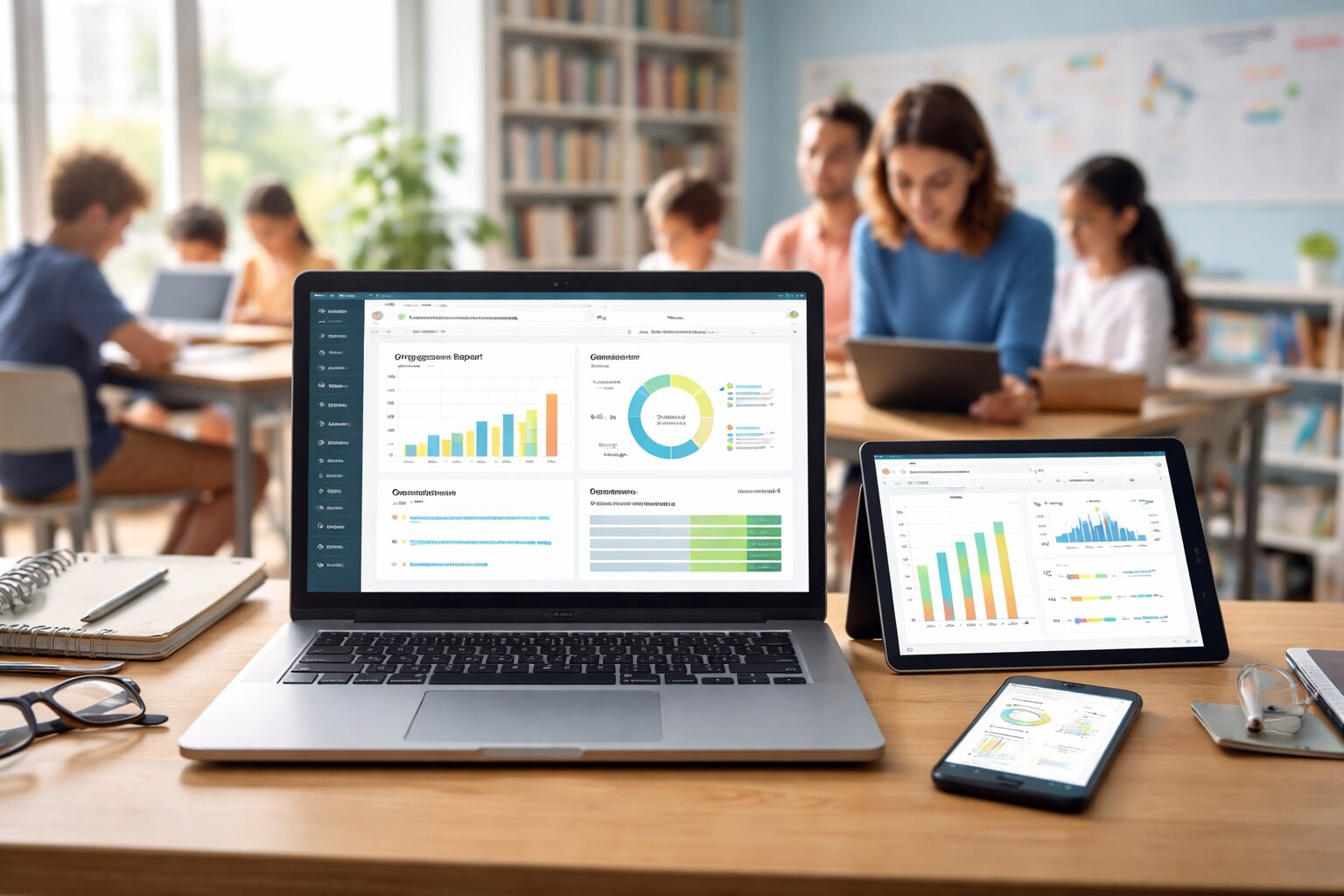
Technology platforms and educational data solutions are making these capabilities more accessible than ever. Organizations like <a href="https://www.hiquestedge.com">www.hiquestedge.com</a> demonstrate how educational institutions can integrate modern data analytics in education tools into their digital ecosystems. By combining advanced analytics, visualization dashboards, and machine learning models, institutions gain a clearer understanding of student behavior and performance trends. This integration empowers educators to make informed decisions that directly impact academic success.
In conclusion, data analytics in education is revolutionizing how educators approach teaching, assessment, and student support. Through learning analytics, academic data insights, and predictive analytics, institutions can move from reactive to proactive education strategies. When data is used effectively, it not only improves teaching methodologies but also drives meaningful student performance improvement across the entire educational ecosystem. As educational technology continues to evolve, data analytics will remain a key pillar in shaping the future of student success.