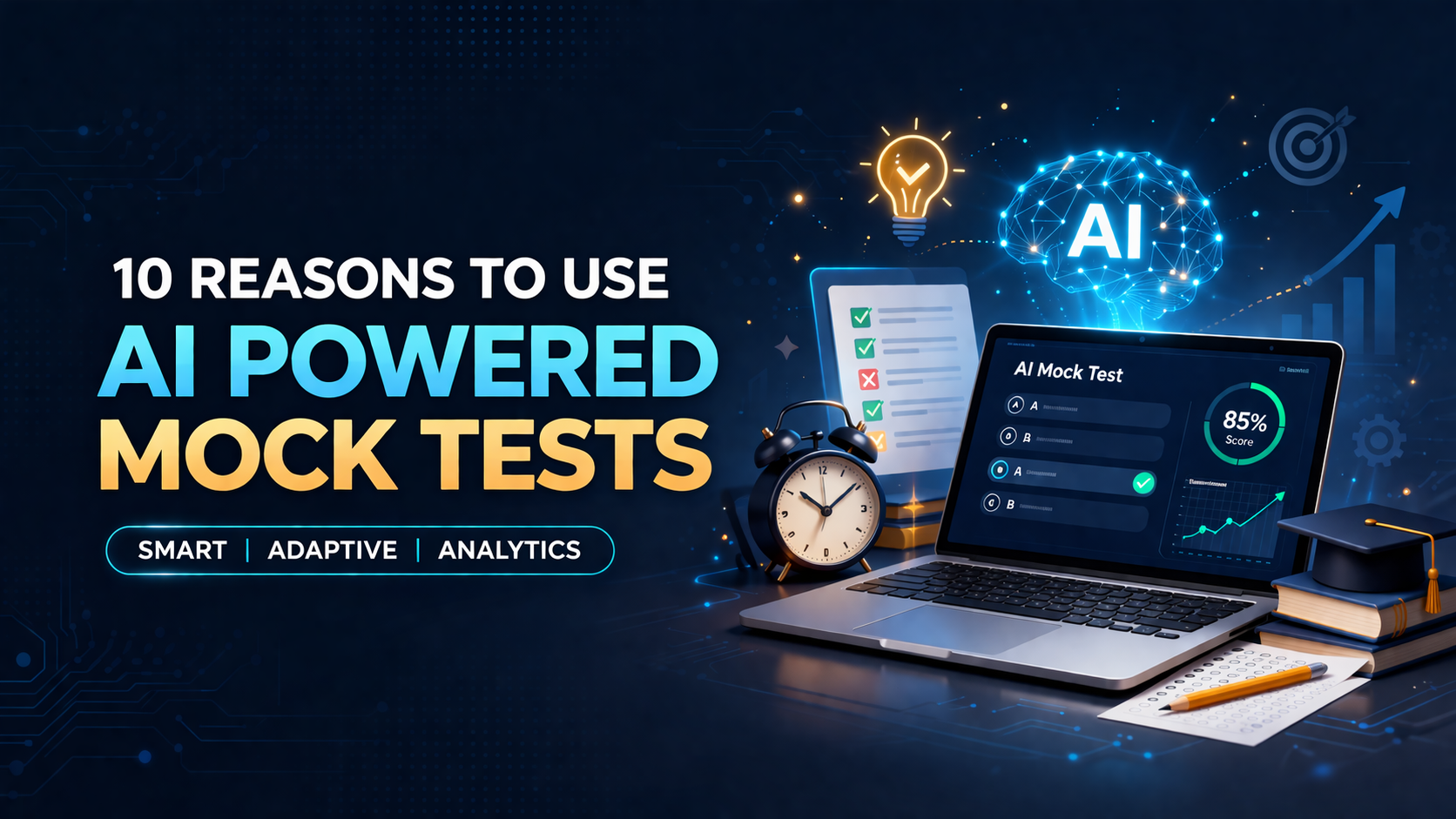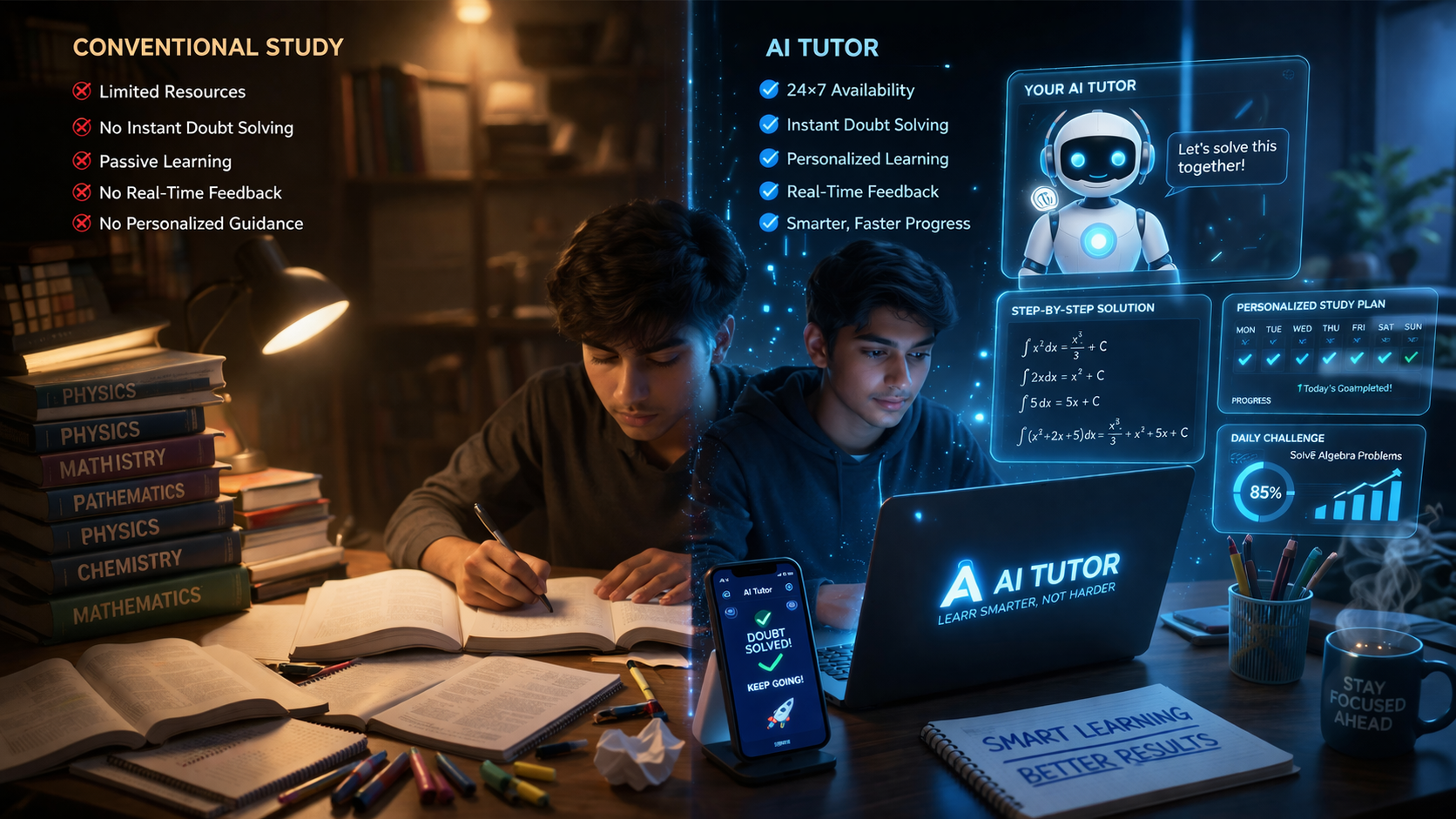

The education sector is undergoing a rapid transformation as institutions adopt Digital Assessment Platforms to modernize how exams and evaluations are conducted. Traditional paper-based examinations are gradually being replaced by intelligent online examination systems, enabling schools, universities, and training organizations to conduct assessments more efficiently. With the growing adoption of e-learning assessment tools, educators can now evaluate student performance in real time while ensuring flexibility, scalability, and improved learning outcomes.
One of the most significant advantages of digital assessment platforms is their ability to streamline the entire examination process. From creating question banks to automated scheduling and result generation, these platforms reduce administrative workload and eliminate manual errors. Institutions that adopt advanced secure exam software can also ensure fairness and transparency in evaluations. Platforms such as <a href="https://www.hiquestedge.com">HiQuest Edge</a> provide modern solutions designed to support institutions in managing large-scale digital assessments while maintaining reliability and security.
Another key innovation driving the future of education is AI-based proctoring. As remote learning continues to expand globally, maintaining academic integrity during online exams has become a priority. AI-powered proctoring systems monitor candidate behavior using facial recognition, screen monitoring, and activity tracking to detect suspicious activity. By integrating AI-based proctoring into digital examination environments, educational institutions can confidently conduct remote tests without compromising examination standards.
In addition, automated grading systems are revolutionizing how educators evaluate student responses. Instead of spending hours manually grading papers, teachers can rely on intelligent algorithms to instantly evaluate multiple-choice, objective, and even certain subjective responses. This not only saves time but also ensures consistency and accuracy in the evaluation process. When combined with online examination systems, automated grading helps educators focus more on teaching and mentoring rather than administrative tasks.
The role of e-learning assessment platforms extends beyond traditional examinations. These systems support continuous evaluation through quizzes, assignments, and interactive assessments that measure real-time understanding. Such features encourage active learning and provide immediate feedback, helping students identify their strengths and areas for improvement. By integrating advanced analytics, institutions can track performance trends and make data-driven decisions to improve academic outcomes.
Security and scalability are also essential elements of modern digital assessment platforms. Educational institutions often need to conduct exams for thousands of students simultaneously. Reliable secure exam software ensures stable performance, data protection, and seamless user experience during high-volume testing sessions. Platforms like <a href="https://www.hiquestedge.com">HiQuest Edge</a> offer scalable solutions designed to handle large exam environments while maintaining strong cybersecurity measures.
As digital transformation continues to shape the education landscape, digital assessment platforms are set to become an integral part of the academic ecosystem. By combining AI-based proctoring, automated grading, and secure online examination systems, educational institutions can create a more efficient, transparent, and scalable assessment process. The future of education lies in leveraging technology to enhance both teaching and evaluation, ensuring that learning remains adaptive, accessible, and aligned with the demands of the modern world.